
It’s no secret that buying a home is expensive. The National Association of REALTORS(R) reported that the median sales price of existing homes stood at $404,400 in December 2024, meaning that half of all homes sold for more than that price and half sold for less.
That median sales price was up 9.3% from the same month a year earlier.

Then there are interest rates. Freddie Mac reported that as of Feb. 6, 2025, the average interest rate on a 30-year, fixed-rate mortgage was 6.89%. A higher interest rate equals a higher monthly mortgage payment.
These two factors have made buying a home a more arduous financial struggle, especially for first-time buyers.
However, at the same time, renting an apartment is also becoming more expensive. Research firm Yardi Matrix reported that the average asking rent for apartments across the United States stood at $1,746 as of January. And monthly rents are higher in bigger cities such as New York City, Chicago, San Francisco, Los Angeles and Philadelphia.
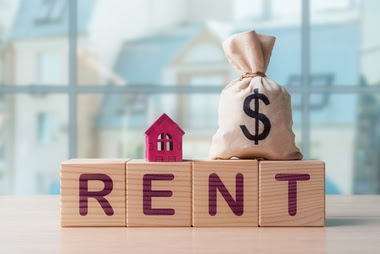
Given that apartments are so expensive today, it may make sense to buy a home, even with the rising costs of ownership. That’s because buying a home comes with a significant advantage over renting: You can build wealth.
If you buy a single-family home for $350,000 today, its value may increase over time. You could sell in 10 years for $450,000. Your investment in your home increased by $100,000. That is wealth that you can use when buying a new home or when downsizing to a smaller, less expensive residence.
When you rent an apartment, you don’t build wealth. Instead, you send money to your landlord each month.
Remember, though: While home values have generally increased over time, there is no guarantee that your home will be worth more when it’s time to sell. Most homeowners see this happen if they hold onto their homes for a long enough period. But as with all investments, appreciation is not guaranteed.
Preparing to buy a home?
If you are ready to buy a home, here are some steps to take:
Build a strong credit score: Your three-digit FICO credit score tells lenders how well you’ve paid your bills and handled your credit. The higher this score, the more likely you are to qualify for a mortgage at a low interest rate. To build a good score, pay your bills on time each month and pay down as much of your credit card debt as you can.
Cover your down payment and closing costs: You’ll need to pay for both a down payment and your closing costs when buying a home. You might aim for a down payment of 5% of your home’s purchase price, which would be $15,000 if you are buying a house that costs $300,000. Mortgage closing costs usually run from 2% to 6% of your mortgage amount. If you are taking out a $290,000 mortgage, closing costs of 3% would equal $8,700.
Build a savings cushion: Most lenders also want you to save up enough to cover at least two mortgage payments. If your monthly mortgage comes out to $2,200, you’d need $4,400 in your savings account after you cover your down payment and closing costs.
Pay down your debts: Lenders look at your debt-to-income ratio, a measure of how much of your gross monthly income your recurring debts consume. To lower this ratio, pay down your credit card debt, which will reduce your minimum monthly payment, and pay off any loans that are nearly paid off already.
